Environmental education has a credibility problem with students, and it is largely self-inflicted. Children are told to save water and plant trees, notice that rivers are still polluted and forests still cleared, and reasonably conclude that the advice was decorative.
So let us be straightforward. Individual habits will not, by themselves, resolve climate change or restore biodiversity. Those require decisions by governments and industry on a scale no student controls. But that is not an argument for doing nothing, for two reasons worth understanding.
First, some individual actions are genuinely significant in aggregate, and some are not — knowing which is which is useful. Second, habits formed in school become the instincts of adults who will vote, work, build, and make decisions with far greater reach than they have now.
Where a student's impact is real
Food waste
This is the one most people underestimate. Food that is grown, transported, cooked and then thrown away represents wasted water, wasted fuel, wasted labour and wasted land. Globally, roughly a third of food produced is never eaten, and the emissions associated with that waste are enormous.
Taking a smaller portion and returning for more is a trivially easy change with a real effect. In a school of several hundred students, tiffin and canteen waste is measurable, and it responds quickly to attention.
Electricity
Much of India's electricity still comes from burning coal. A fan or light left running in an empty classroom is coal burned for nothing.
The Environment Club has been running a simple check at our school — last person out of a room turns off the fans and lights — and the effect on the school's consumption has been visible. It requires no equipment and no budget, only the habit.
Single-use plastic
A refillable water bottle and a cloth bag remove a genuinely large number of items from the waste stream over a year. This is worth doing not because one bottle matters but because the arithmetic of daily repetition is significant: one plastic bottle a school day is around two hundred bottles a year, per student.
Repair before replacement
Manufacturing anything — a phone, a pair of shoes, a bicycle — carries a far larger environmental cost than using it. Keeping something for four years instead of two roughly halves that cost. Repairing a puncture, restitching a bag and having shoes resoled are all straightforwardly environmental acts, whatever else they are.
Where the effort is largely symbolic
In the interest of honesty: some of what gets promoted in schools achieves less than it appears to.
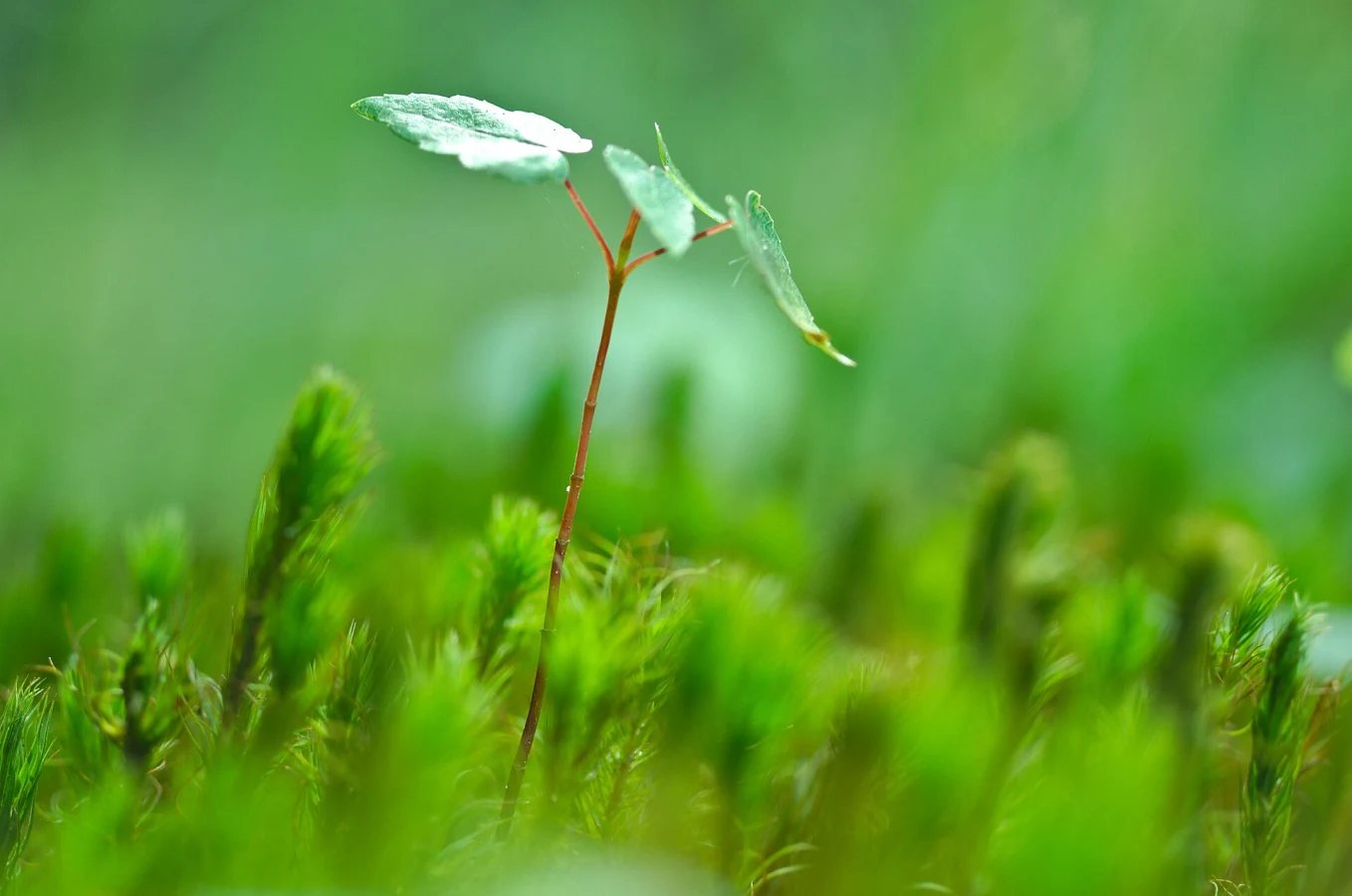
Planting a sapling for a photograph and never watering it again achieves nothing; the tree dies within a season. A tree planted and cared for over five years is worthwhile. The difference is entirely in the follow-through, and follow-through is the part that rarely gets photographed.
Similarly, a poster competition raises awareness among people who are already aware. It is not useless, but it should not be mistaken for action. Measuring the school's waste for a month and changing something in response is a different order of activity.
What our students are doing
The Environment Club maintains several ongoing projects, and new members from any class are welcome:
- Waste segregation at source, with separate collection for paper, plastic and organic waste.
- Composting of canteen and garden organic waste, with the compost used on the school grounds.
- The classroom electricity check, run by student monitors in each room.
- A paper reduction effort — printing on both sides, and using the reverse of single-sided sheets for rough work.
- Seasonal tree care, which means watering and protecting what has already been planted rather than only planting more.
A note on how this connects to your subjects
Environmental questions are among the best available examples of science applied to real decisions, and students in the Science stream will find them useful practice.
Calculating the energy saved by switching a room's lighting is a physics problem. Understanding why certain plastics persist for centuries while others break down is chemistry. Tracing what happens to a river ecosystem when nutrients wash in from farmland is biology. Working out whether a proposed change is worth its cost is mathematics.
Treating these as real problems, with real data gathered on our own campus, is considerably more instructive than treating them as topics to be memorised for a chapter test — and it is the kind of work that teaches students to reason about evidence, which is the whole point.